

Chrome vs. Polished Chrome Faucets: Industry Myth vs. Real Differences
Posted by TBBD on Dec 13th 2023
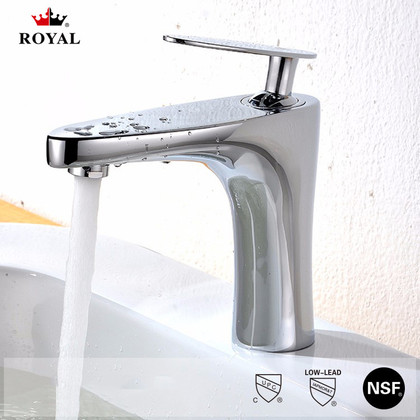
When shopping for bathroom vanity faucets or shower fixtures, product labels can easily cause confusion. You will often see some models listed simply as Chrome while others are branded as Polished Chrome.
Understanding the truth about these labels—and how electroplated chrome compares to alternative finishes like Brushed Chrome and Polished Nickel—helps ensure you choose the right fixtures for your space.
Direct Answer: Is There a Difference Between Chrome and Polished Chrome?
In the plumbing fixture industry, there is no functional or aesthetic difference between "Chrome" and "Polished Chrome." They are two names for the exact same finish.
Both terms refer to a high-shine, highly reflective, mirror-like coating produced by electroplating a thin layer of chromium over a nickel-plated base metal.
| Finish Category | Industry Terminology | Visual Appearance & Surface Texture |
| Mirror / High-Shine (Identical Terminology) |
• Chrome • Polished Chrome • Bright Chrome |
Smooth, highly reflective, mirror-like finish |
| Matte / Textured |
• Brushed Chrome • Satin Chrome • Dull / Velvet Chrome |
Textured finish with a soft matte look and subtle linear |
The confusion usually arises because homeowners mistake standard chrome for Brushed Chrome (or Satin Chrome), which features a textured, matte finish with subtle linear graining.
How Chrome Plating Works: Substrates & Electroplating
To understand why chrome performs so well against corrosion, it helps to look at the layered electroplating process used by premium manufacturers
-
The Substrate Core: The interior body of a high-end faucet is typically forged from solid brass or 304 stainless steel. Lower-grade faucets use die-cast zinc alloy (Zamak), which is lighter and more susceptible to internal corrosion over time.
-
The Nickel Barrier: Before chromium is applied, the raw metal body receives a layer of electroplated nickel. The nickel provides structural corrosion resistance, smooths out surface imperfections, and creates the bright base coat.
-
The Chromium Topcoat: A micro-thin layer of chromium 0.2–0.5 microns is electroplated over the nickel. Chromium acts as a protective shield: it resists tarnishing, provides scratch resistance, and imparts the brilliant, cool silver hue characteristic of modern bathrooms.
The Real Comparisons: Polished Chrome vs. Related Finishes
While Chrome and Polished Chrome are identical, comparing Polished Chrome against other common bathroom finishes highlights key aesthetic and functional trade-offs.
Polished Chrome vs. Brushed / Satin Chrome
-
Polished Chrome: Smooth, glass-like reflection with high reflectivity. Fits modern, classic, and transitional bathroom styles.
-
Brushed Chrome: Matte finish with fine wire-brushed texture. Hides fingerprints and water spots significantly better than polished finishes, but carries an industrial look.
Polished Chrome vs. Polished Nickel (Cool vs. Warm Undertones)
Polished Chrome and Polished Nickel look similar in low lighting, but their underlying color profiles are fundamentally different:
-
Polished Chrome (Cool Undertone): Features a crisp, cool, blueish-silver undertone. It matches cooler light temperatures 3500K–4000K LEDs, white marble, and slate tiles.
-
Polished Nickel (Warm Undertone): Features a subtle, golden-yellow undertone underneath its shine. It patina-ages naturally over time and pairs best with warm whites, creamy marble (like Calacatta), and warm brass accents.
Finish Comparison Matrix
| Finish Type | Visual Appearance | Color Undertone | Maintenance Needs | Fingerprint Visibility |
| Polished / Standard Chrome | Mirror-like, high reflectivity | Cool Blue-Silver | Moderate (Wipe down water spots) | High |
| Brushed Chrome | Textured, semi-matte | Cool Neutral Grey | Low | Very Low |
| Polished Nickel | High-shine, deep luster | Warm Golden-Yellow | High (Requires periodic metal polish) | High |
| Brushed Nickel | Soft brushed metallic | Warm Honey-Bronze | Low | Low |
Design & Lighting: How Polished Chrome Behaves in Modern Bathrooms
Polished chrome acts almost like a mirror. Because of its extreme reflectivity, it absorbs and bounces back the surrounding colors and light sources in your bathroom.
-
Reflective Versatility: Because it lacks an inherent warm pigment, polished chrome adapts easily to shifting color palettes. If you repaint your bathroom from grey to dark navy, chrome fixtures adjust seamlessly to the surrounding tones.
-
Lighting Considerations: Under cool 4000K daylight LED bulbs, chrome looks crisp and surgical. Under warm 2700K incandescent lighting, chrome reflects surrounding ambient warmth without losing its clean metallic edge.
Maintenance & Care: Preventing Water Spots Without Damaging Plating
While chromium is naturally tarnish-resistant, hard water minerals (calcium and magnesium) leave white spots on its reflective surface as water drops evaporate.
Cleaning Dos and Don'ts
-
Do Use: Mild liquid dish soap, warm water, and a soft microfiber cloth. Dry the surface after cleaning to prevent water spots from forming.
-
Do Use (For Hard Water): A 50/50 mix of warm water and white distilled vinegar applied briefly to dissolve calcium spots, followed immediately by a thorough rinse with clean water.
-
Don't Use: Abrasive scouring pads, steel wool, or industrial cleaners containing hydrochloric, hydrofluoric, or phosphoric acids. Heavy acids etch through the chromium topcoat, exposing the nickel layer underneath to irreversible oxidation.
Frequently Asked Questions
Are chrome and polished chrome faucets the exact same thing?
Yes. Manufacturers use "Chrome," "Polished Chrome," and "Bright Chrome" interchangeably to describe a smooth, mirror-finish electroplated chromium surface.
Why does polished chrome show water spots easily?
Because the surface is smooth and highly reflective, mineral deposits left behind by evaporating water droplets stand out against the mirror finish. Drying the faucet with a towel after use prevents spot accumulation.
How can you tell the difference between polished chrome and polished nickel?
Hold a piece of white printer paper next to the faucet. Polished Chrome will reflect a cool, bluish-silver tone against the paper, while Polished Nickel will show a distinctly warm, yellowish-champagne undertone.